

Home Therapy Services
Professional Health Services in Michigan
Think about the last time you spent hours sitting in a crowded clinic waiting room. You probably had to fight traffic, navigate a maze-like parking garage, and help a loved one struggle through heavy glass doors just to get thirty minutes with a specialist. When someone is recovering from an illness, an injury, or a major medical event, that travel alone can wipe out their energy for the rest of the day.
Now imagine that same medical care happening in the quiet comfort of your own home. No stressful car rides. No slippery winter ice to walk across. Just a dedicated team of medical professionals walking through your door, ready to focus entirely on your family’s health.
Across the Great Lakes State, families are realizing that healing does not require living in a facility or constantly traveling to outpatient centers. Staying in familiar surroundings actively supports a faster, more complete recovery.
The Real Advantage of Receiving Care Where You Live
Healing is physical, but it is also deeply mental and emotional. When people stay in their own houses, their stress levels drop. They sleep better in their own beds. They eat meals they actually like, and they stay connected to their pets, neighbors, and daily routines.
When you choose skilled home care in Michigan, medical professionals adapt their treatment strategies to your actual living space. They look at the height of your favorite armchair, test the firmness of your mattress, and check the lighting along your hallway.
Instead of practicing balance on artificial clinic equipment, therapy happens on your actual carpets and kitchen flooring. Every exercise directly helps you manage real life. You learn how to safely reach into your actual pantry cupboards, step over your threshold, and move around your specific layout. That practical approach builds genuine confidence much faster than controlled hospital settings ever could.
Restoring Movement and Everyday Functionality
Recovery often requires a combination of different specialized treatments. Two of the most essential building blocks are physical rehabilitation and functional retraining.
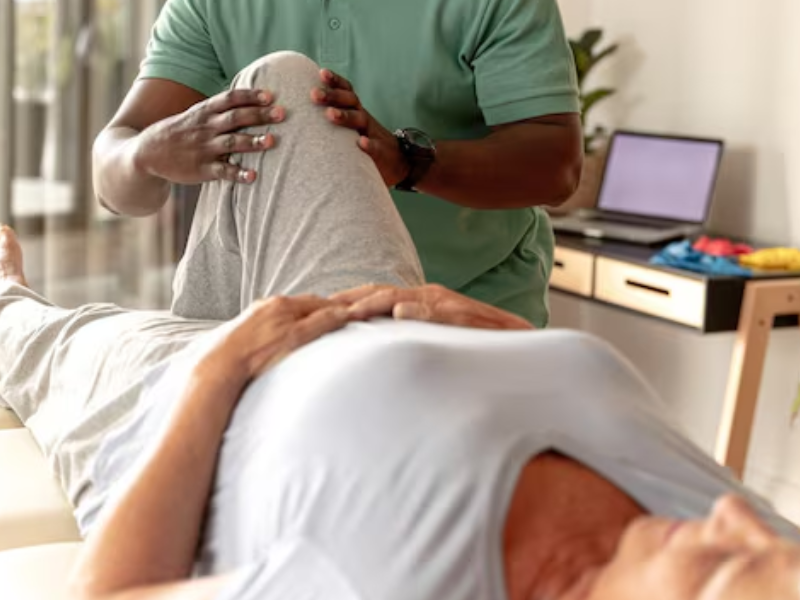
Physical therapists focus heavily on building core strength, restoring joint movement, improving walking balance, and preventing dangerous falls. They help seniors rebuild the physical foundation needed to stand up safely and walk without fear.
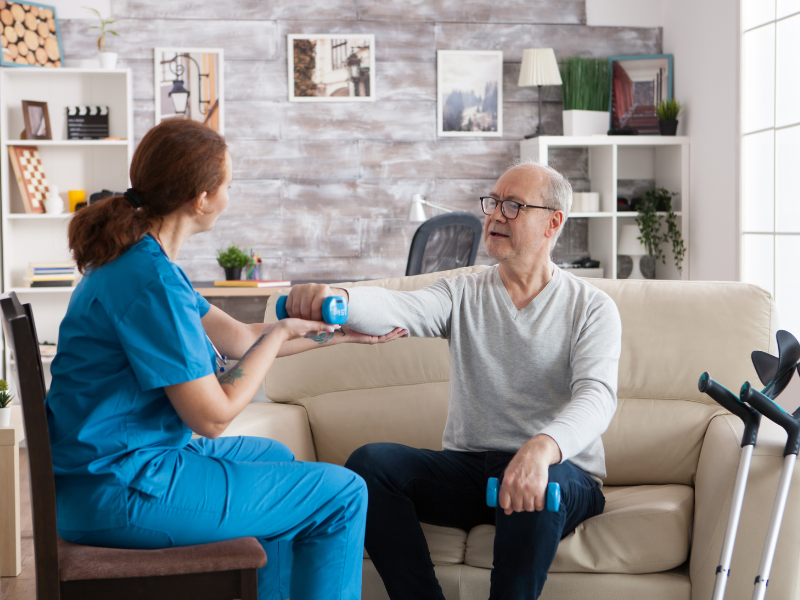
At the same time, receiving Occupational therapy at home helps individuals regain the precise skills needed for daily living. An occupational therapist looks at how you perform everyday tasks and finds smart ways to make them easier and safer. They help with things like:
- Learning safe ways to shower, dress, and groom independently
- Adapting kitchen tools so cooking meals feels manageable again
- Re-training hand muscles and fine motor control after a stroke or joint surgery
- Setting up simple equipment like grab bars to prevent trips and slips
Combining physical and functional retraining ensures that gains made in overall strength directly translate into easier, safer daily living.
Accessing Tailored Medical Support at Home
Many people are surprised to learn how many complex health services can be safely delivered outside a hospital setting. Today’s home health teams bring comprehensive clinical management straight to your doorstep.
Accessing comprehensive home therapy services in Michigan gives families access to a full team of clinicians working under your doctor’s orders. This includes registered nurses who manage wound care, track vital signs, teach medication schedules, and monitor complex conditions like heart failure or diabetes. Speech therapists also visit to help individuals regain clear speech or evaluate swallowing safety after a neurological event.
Having this continuous clinical oversight at home catches small health changes early, preventing sudden complications and keeping seniors out of the hospital emergency room.
Why Michigan Families Partner with Kare Masters Home Health
At Kare Masters Home Health, we believe that receiving health support should feel personal, respectful, and completely transparent. We know that inviting clinicians into your home takes immense trust, and we treat every family we serve with the same dignity we would expect for our own relatives.
Our team works hand-in-hand with your personal physicians to build a complete, seamless care plan. Whether you need short-term help recovering from a knee replacement or long-term clinical support for a chronic condition, we adjust our visits around your personal schedule.
We proudly serve communities across Michigan, making sure high-quality care is always within reach. Most of our skilled nursing and therapy services are fully covered by Medicare and major health insurance plans for qualifying patients, removing financial stress so you can focus entirely on getting better.
Common Questions About Home Care Services
- Does Medicare cover home care if the patient is not completely bedridden?
Yes. Medicare covers skilled nursing and therapy services if a patient meets the definition of homebound. Being homebound does not mean you can never leave your house. It simply means that leaving home requires a major physical effort, the help of supportive devices, or assistance from another person. Attending religious services, brief family gatherings, or hair appointments does not disqualify you.
- How does a home health team coordinate with my doctor if they are not in the same clinic?
Home care agencies operate under direct physician orders. After an initial home assessment, our clinicians draft a detailed plan of care and submit it to your doctor for approval. Throughout your care, nurses and therapists send regular health updates, progress reports, and vital sign logs directly to your doctor’s office to keep everyone aligned.
- Can a person receive both physical therapy and occupational therapy at home at the same time?
Absolutely. In fact, receiving multiple therapies at once is very common during post-surgery or post-stroke recovery. The therapies work together. Physical therapy builds broad strength, balance, and walking ability, while occupational therapy focuses on applying that strength to specific daily tasks like dressing and cooking.
- What happens if a patient’s health suddenly changes outside of scheduled visit hours?
Reputable home health agencies maintain 24/7 clinical on-call support. If a patient experiences a non-emergency health change, medication issue, or symptom spike on a weekend or late at night, family members can call an emergency phone line to speak directly with an on-call nurse for guidance.
- Who pays for home health aides if we only need help with bathing and meals?
Stand-alone personal care or companion care is usually paid out-of-pocket or through long-term care insurance. However, if a patient qualifies for skilled clinical care (like physical therapy or skilled nursing) covered by Medicare, a home health aide can often be added to the care plan at no extra cost to assist with personal care and hygiene.
Start Your Recovery Journey at Home Today
Ready to explore how professional home care can help you or your loved one live safely and comfortably?
Contact Kare Masters Home Health today. Our friendly local team is available to answer your questions, check your insurance coverage, and help you get started on a personalized path to recovery