

In Home Care For Seniors
In-Home Care Services in Michigan
When someone you love gets discharged from the hospital, or when simply getting out of bed in the morning becomes a daily struggle, the conversation usually turns to what comes next. A lot of families feel backed into a corner, assuming that a nursing home or an assisted living facility is the only choice left.
It rarely is.
Most people heal faster, sleep better, and stay mentally sharper when they are in their own living rooms, surrounded by their own things. At Kare Masters Home Health, we bring professional nursing care and everyday personal help directly into homes across Wayne, Oakland, and Macomb counties.

Sorting Out Medical Support vs. Daily Help
People use the phrase “home care” to cover a lot of ground, which can get confusing fast when you are trying to set things up for a parent. It helps to split it into two practical categories:
- Personal care and daily chores
This is hands-on help from home health aides. They assist with things like stepping safely into the shower, getting dressed, cooking meals, helping with light cleaning, and making sure nobody slips or falls while walking around the house.
- Skilled medical care
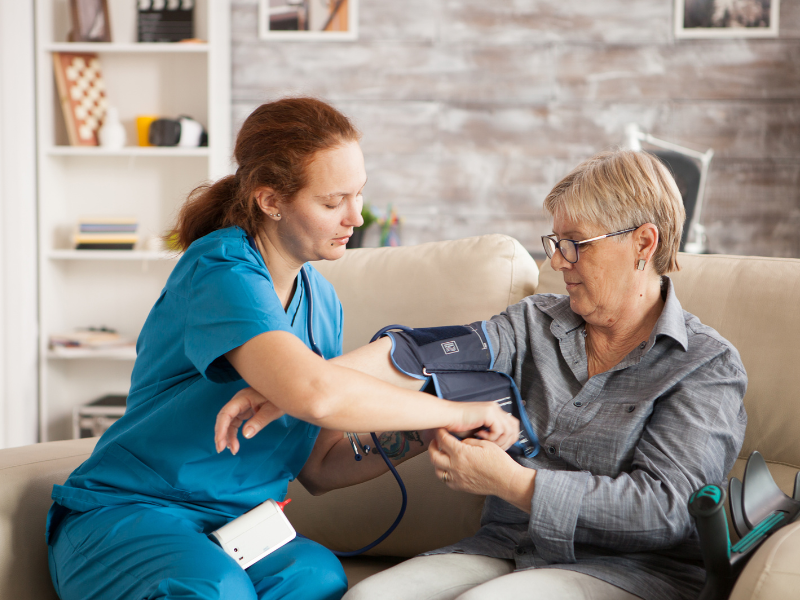
This is clinical work handled by registered nurses and licensed physical or occupational therapists. They take care of surgical wound dressings, manage IV treatments, monitor vitals, track prescriptions, and lead physical rehabilitation after a stroke or joint surgery.
When families look into in-home care for seniors in Michigan, they often need a mix of both. Having nurses and aides working out of the same agency means you do not have to coordinate between two different companies. If your mother’s health changes or she needs extra physical therapy after a fall, her care plan adjusts automatically.
Having a Nurse at Home Changes Everything
Trying to care for a parent after a major operation or a heart event is tough on family members. Even with the best intentions, managing complicated pill schedules, checking surgical cuts for infections, and guiding rehabilitation exercises can leave you feeling completely out of your depth.
Bringing a nursing attendant at home in Michigan takes that weight off your shoulders. A nurse spots small warning signs before they turn into emergency room visits. They handle the technical medical tasks so you can focus on being family, not a full-time medical technician.
On top of the physical safety, elderly in-home care in Michigan protects a person’s dignity. Seniors keep their own daily schedules, eat their own food, and stay connected to their local neighborhood. That comfort plays a massive role in how quickly someone recovers from an illness or surgery.
How Coverage Works (Without the Confusion)
Sorting out how to pay for care is usually the most stressful part of the process, but the rules are actually pretty straightforward:
- Medicare: If a doctor orders home health after a hospital stay or a health decline, Medicare usually pays for 100% of skilled nursing visits and therapy sessions.
- Other Options: For long-term personal assistance or companion care that is not medically required, families often use Long-Term Care Insurance, Veterans benefits, or personal funds.
Our staff contacts your doctors directly and checks your insurance coverage before any care starts, so you never get hit with unexpected bills.
Frequently Asked Questions
What happens if health needs change on weekends or holidays?
Health issues do not pause for the weekend. We have clinical supervisors available on call 24 hours a day, 7 days a week. If a patient develops a fever, has a question about a new prescription, or needs a wound checked, a nurse is always available to talk or visit.
Can a home nurse manage IV lines or catheter care at home?
Yes. Our nurses are fully licensed to manage complex medical needs right in your living room, including IV antibiotics, catheter care, feeding tubes, and advanced wound management.
How do you share recovery updates with our primary doctor?
We review all initial hospital notes before setting up care. As recovery progresses, our team sends regular updates, vital sign charts, and therapy reports to your primary care doctor so everyone stays on the same page.
What is the difference between a home health aide and a registered nurse in Michigan?
Aides focus on personal, non-medical support like bathing, walking assistance, and meal prep. Registered nurses handle medical care like giving shots, managing prescription changes, dressing wounds, and following physician orders. We provide both under one roof.
Talk to Our Local Michigan Team
You do not have to figure this out on your own. We are here to listen, answer your questions, and build a care plan that keeps your loved one safe and comfortable at home.