

What to Expect from Post-Stroke Rehabilitation at Home
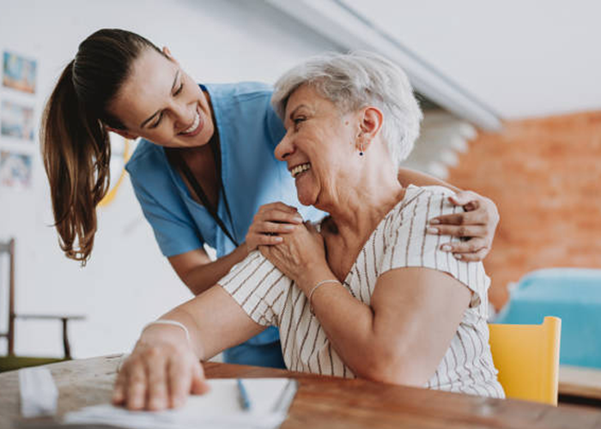
A stroke changes life fast. Families are often left searching for answers while trying to stay calm. This is where Post-stroke rehabilitation at home becomes part of the conversation. It allows recovery to happen in a space that feels safe and familiar. This blog sets clear expectations. No medical jargon. No pressure. Just real guidance for families who want to support recovery the right way.
Many readers ask the same questions. What happens next? Are we doing enough? Is recovery at home truly effective? These concerns are valid. Recovery is not instant. It is a process. Understanding that process helps families feel less lost and more prepared.
Why Home Changes Recovery
Home matters more than people realize. Familiar rooms reduce stress. Familiar routines support focus. Familiar faces build trust. The brain responds better when it feels safe.
At home, people move at their own pace. They rest when needed. They practice skills in real spaces, not clinical rooms. This creates comfort and confidence. Confidence supports healing.
One family member once said,
“Home gave us calm when everything else felt loud.”
That calm is powerful.
The First Weeks After a Stroke
The early weeks are often unpredictable. Progress may feel slow. Energy may come and go. Emotions may feel stronger than usual.
This is normal.
You may notice trouble with balance, speech, or memory. You may also notice fear. Fear of falling. Fear of failing. Fear of being a burden. These feelings deserve patience, not pressure.
Simple structure helps. Morning routines. Gentle goals. Clear communication. Small steps add up over time.
How Daily Support Shapes Progress
Support at home goes beyond tasks. It shapes mindset. The right support encourages effort without forcing it.
Caregivers help by staying present. They guide movement. They remind gently. They notice changes others miss.
Most important, they allow people to try. Independence grows when help is balanced, not rushed.
Recovery improves when people feel supported, not controlled.
Local Care and Community Awareness
Recovery works best when care fits the community it serves. Families navigating Stroke management in Oakland Wayne County benefit from support that understands local resources, therapy access, and follow-up care.
Local awareness reduces gaps. Appointments align better. Communication improves. Stress drops.
Care should feel connected, not scattered.
What Therapy at Home Really Involves
Home therapy focuses on real life. Not machines. Not theory.
It may involve standing safely at the sink. Walking familiar hallways. Practicing words during conversation. Using everyday objects to rebuild strength.
Therapy works best when it fits daily routines. This makes progress practical and lasting.
A therapist once shared,
“Practice works when it feels useful, not forced.”
That is the goal.
The Emotional Side of Healing
Recovery is not only physical. Emotional healing matters just as much.
People may feel frustration. Sadness. Loss. They may miss who they were before. These feelings deserve space.
Support helps by listening more than correcting. Encouraging without pushing. Laughing when possible. Humor, used gently, can break tension.
No one heals well when they feel alone.
Progress Does Not Always Look Obvious
Families often expect clear milestones. Recovery rarely follows that pattern.
Progress may show up quietly. A steadier hand. A longer conversation. Better sleep. More focus.
These signs matter. They show the brain adapting.
Pay attention to the small things. They tell the real story.
Daily Support That Truly Helps
Simple actions that support recovery at home:
- Keep daily routines consistent
- Clear walking paths and improve lighting
- Encourage fluids and balanced meals
- Allow extra time for tasks
- Celebrate effort, not perfection
This list looks simple. It is meant to be. Simple habits create steady results.
Final Remarks
At Kare Masters Home Health, we believe recovery deserves patience, dignity, and respect. We walk with families through uncertainty. We listen. We adjust. We focus on people, not just plans.
We know healing takes time. We also know no one should do it alone. Our role is to support progress while honoring independence. When care feels steady and human, confidence grows.
If you are unsure about next steps, we are here. Let us talk. Let us support you and your loved one with care that fits real life.
Frequently Asked Questions
- How do we know recovery at home is still working?
When safety is stable and effort continues, recovery is happening. Regular check-ins help confirm progress.
- What if progress feels stalled?
Plateaus happen. Adjust goals. Change routines. Focus on consistency rather than speed.
- Can family members slow recovery by helping too much?
Yes. Support should encourage independence, not replace it. Guidance helps find balance.
- How do we manage caregiver exhaustion?
Ask for help early. Fatigue affects care quality. Support protects everyone involved.
- When should professional home care be added?
When stress rises or needs increase, extra support prevents burnout and setbacks.
If these questions sound familiar, it may be time to talk with someone who understands this journey.